
Western greed afflicts the Congo in the worst and most inhumane way since the year 800. To the lords of industry and banks: your greed destroys the environment, insults humankind by forcing it into slavery. Come on Anons!
The rallying cry has been delivered. The assault – virtual and peaceful. A new round of online attacks claimed by hacktivists operating under the Anonymous banner have been under way since late last week.
Dubbed “Operation Coltan” (the name of a mineral essential for the mobile phone and chemicals industries), the latest protest from the hacktivist collective is focused this time on the Democratic Republic of Congo (DRC). In the firing line – multinationals such as Sony, LG, Samsung and Bayer.
According to a statement posted on a related blog, Anonymous intends to expose the “trafficking of coltan” orchestrated by those multinationals in the DRC. Coltan, also known as “white gold”, is one of four “conflict minerals” designated as such by the Dodd Frank Act, the Wall Street reform bill passed by the US Congress in 2010. The battle for control over the precious natural resource has become an economic issue so large that it drives clashes between armed militias. The situation is particularly dire in the DRC, which alone accounts for three quarters of the world’s coltan.
While this white gold rush has been going on since the late 1990’s, coltan has become indispensable in recent years for the mobile phone and laptop industry. Tantalum, a metal present in the majority of electronic devices, can be extracted from coltan. Tantalum is also popular in the aerospace and chemical industries due its enormous malleability.
Lords of coltan
In late April 2012, the mining minister for the province of North Kivu raised concerns over renewed violence between militias in the eastern Democratic Republic of Congo. The warning was taken seriously by the United States, Germany and China, who view the region as the nerve centre of their strategic interests in Africa. Slowly but surely, the battle for coltan began receiving attention once again in the United States. Enter the hacktivists.
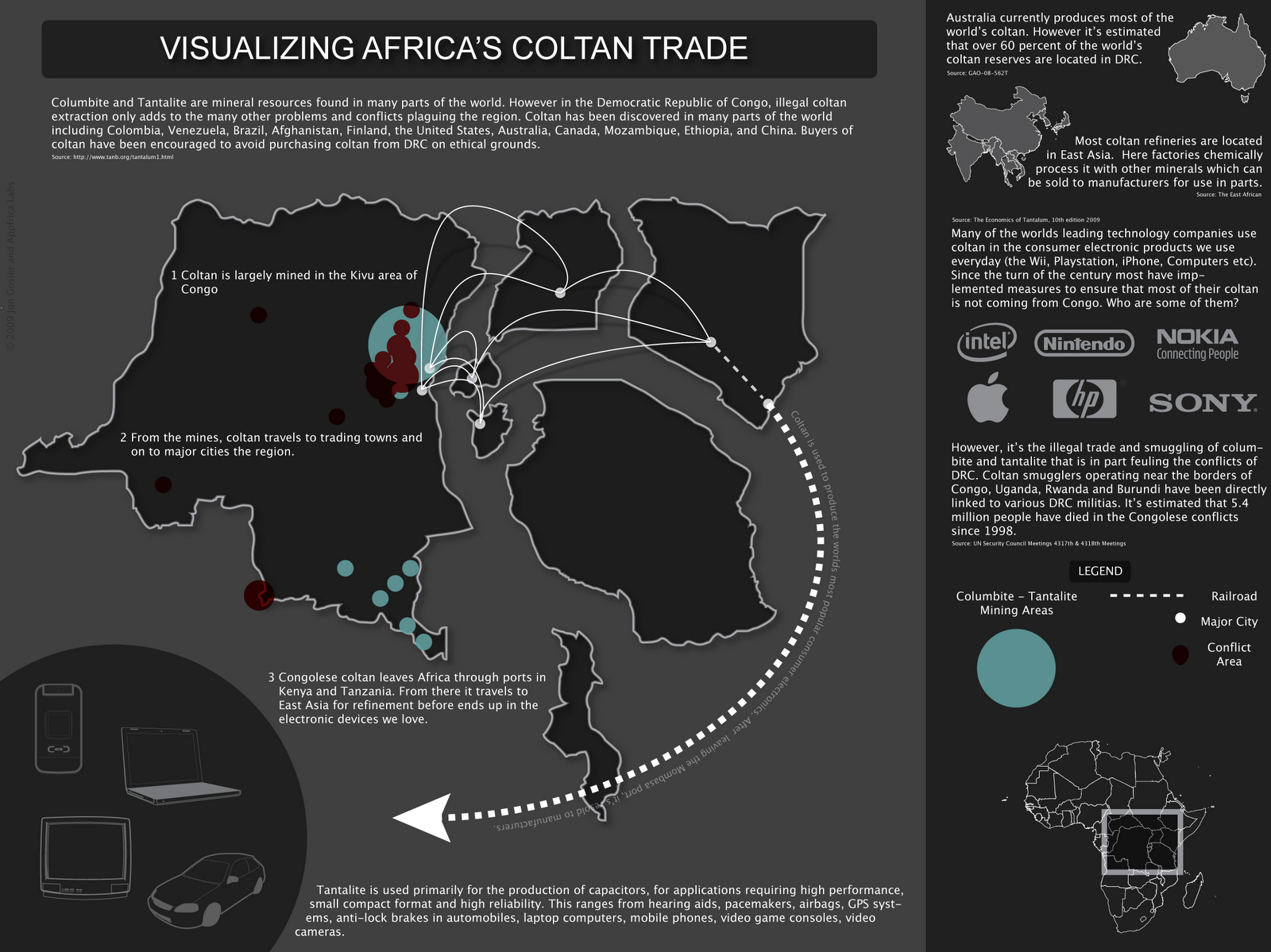
Click to view full size
“Operation Green Rights” is a major global operation bringing together Anonymous supporters seeking to make environmental issues the target of the movement’s tools of digital protest, such as distributed denial of service (DDoS) attacks. During a DDoS attack a website’s server is bombarded with requests, rendering the site inaccessible. It was as part of “Operation Green Rights” that the energy multinational EDF’s website was attacked in spring 2011, leading to the arrest of three suspected Anonymous members in France. On May 3, the hacktivist collective announced its intention to “bring down” the websites of the “Lords of Coltan”.
A pad – a collaborative public web document – was quickly put together to coordinate preparations for the attack. Hacktivist decided to describe the living conditions of miners and their families in an effort to mobilise public consciences. But some of their sensational assertions appeared to lack evidence.
Consequences of this situation [the illegal exploitation of coltan, Ed]:
- Young girls and boys do not attend school
- Each kilo of coltan extracted costs the lives of two children
- Families sleep in and feed themselves from the surrounding mountain forests
- The elephant population has declined by 80%
- The gorilla population has fallen by 90%
On the evening of May 10, the first attack was launched against the site of Sony Mobile. On a dedicated IRC channel – an anonymous chat interface – hacktivists exchanged information on security weaknesses found on the Sony site. They then launched LOIC, a piece of software which works to overload a server hosting a website with requests.
For Operation Coltan the Anonymous supporters created a browser version of LOIC, creating a mini-site that has the same functionality as LOIC. In thirty lines of computer code, hacktivists created a system whereby any user who logs on to the web page begins sending 16 requests per second to a target server. First Sony, then LG and Bayer.
Southern Hemisphere
“Operation Green Rights” originated from Italian hacktivists, and gathered support from others in Europe, particularly France and Germany. A dramatic swoop executed by Italian police forces in the summer of 2011 led to the arrest of fifteen Anonymous supporters, impacting greatly on the dynamic of European environmental hacktivism.
Adopted by activists in the US and Canada in campaigns against the oil sands, the “Operation Green Rights” banner has also been widely used in recent times by South American Internet users. Mining industries in South American countries were targeted by several waves of attacks during February 2012, with supporters rallying around groups calling themselves Anonymous Venezuela and Anonymous Columbia. “Operation Coltan” seems to have been instigated by Anonymous Columbia, as evidenced by the video below.
Of the various companies contacted by OWNI, Bayer is so far the only one to speak out on the attacks.
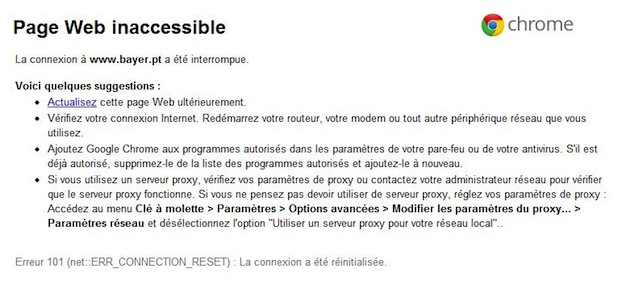
Several websites belonging to the Bayer Group (in Portugal, the Netherlands, South Africa) are currently under attack and several have been deactivated for security reasons. (…)
Anonymous has claimed responsibility for these attacks, as a result of the Bayer Group’s supposed implication in the trade of coltan in Congo. These allegations are more than ten years old and are without foundation. Following an investigation, the UN withdrew all their accusations against the Bayer Group in 2003.
In the aftermath of that UN investigation, however, the Bayer Group considered it appropriate to specify in its annual report on sustainable development in 2004 that it had provided financing to the Dian Fossey Gorilla Fund, “a project aimed at helping people in the eastern part of the central African country to practice environmentally friendly extraction of natural resources“. The same report continues:
Some environmental organizations have called for a general moratorium on exports from the entire region in order to halt illegal activities such as mining in national parks. Yet other organizations, including the Dian Fossey Gorilla Fund, consider such measures to be unsuitable, particularly for humanitarian reasons, as they would eliminate an important source of income for the local population. In this case, the organizations fear that the population would be forced to seek food in the national parks to an even greater extent than is currently the case. This would most likely result in the permanent extinction of severely endangered species.
Image Credits: The Advocacy Project CC (BY-NC-SA); Anonymous /-)
💬 Discussion
No comments yet. Be the first to comment!