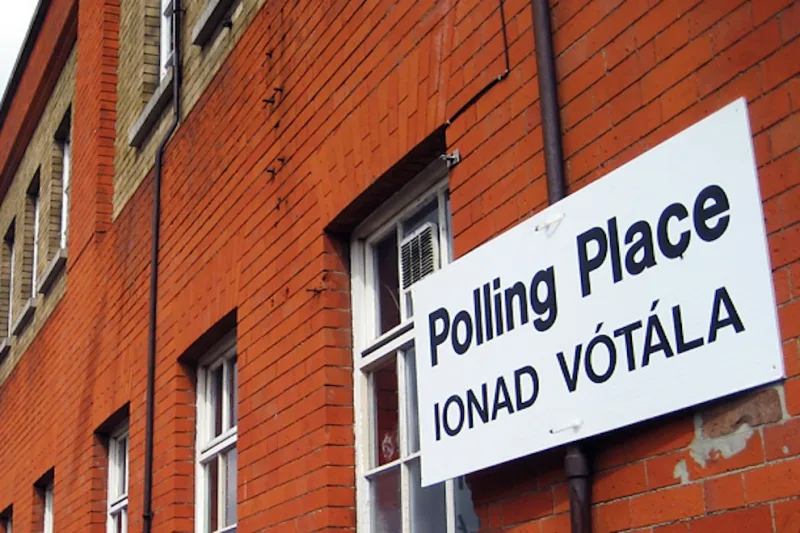
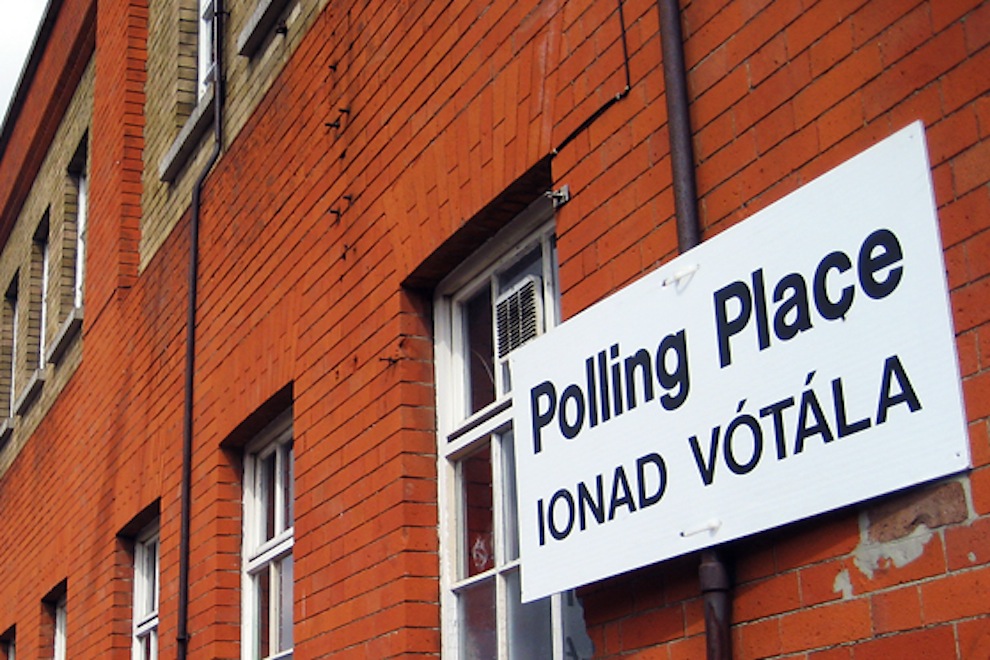
In Ireland, citizens are exercising their democratic right to vote. This election, however, is not a typical. Ever since the 2008 economic crisis that shook Europe, Ireland has struggled to keep its head above the water. Once a strong economic power in the region, the country suffered huge financial losses when it nationalized the debt of its private banks. The Irish are taking to the polls today to express their outrage about the economic situation, but most of them realize it will take years to climb out of the financial hole that was dug.
Yet today is not just an important day for the citizens of Ireland, but also for the rest of Europe. Irreversibly linked by the euro, the countries in the Economic and Monetary Union are responsible for both the successes and failures of the currency. Greece is a primary example of how a previously solid currency could falter when one country forged its bookkeeping. How the new government in Ireland deals with the economic crisis will have further reaching effects on Europe as a whole. Will the new Irish government be successful in leading the country out of the economic crisis?
The fall of the Celtic Tiger
Before 2008, Ireland enjoyed a stable economy. A high rate of employment, growth and investments gave the country its nickname the “Celtic Tiger.” Dublin was the home of many companies’ headquarters, as businesses were eager to benefit from the fiscal advantages of the Irish system. Yet this jungle cat’s growl was worthless against the 2008 financial crisis.
Fianna Fail, the right-wing party that has been in power for 61 of the last 79 years,is expected to take a slap in the face today. Opposing parties are calling on citizens to “turn their anger into action.” As people are looking for an outlet for their rage against the economic crisis, it is likely they’ll take their grievances out on the poles.
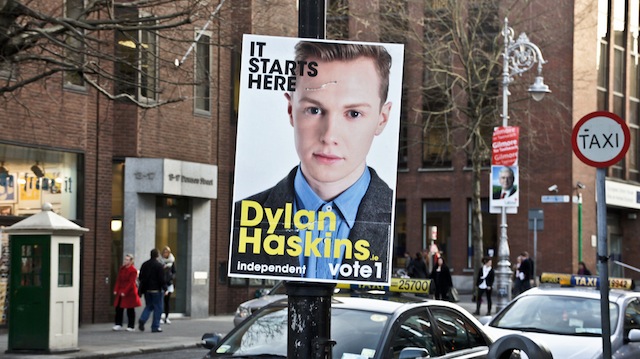
The point of interest from this election will not necessarily be the new power division in the Irish Parliament. The Irish people already made it clear that it will be a close race between Labour Party and Fine Gael. More of interest is the unprecedented insurgences of independent candidates. About 15% of the vote will probably be casted towards nonconventional parties. Among these alternative candidates is Dylan Haskins. His party has a strong Internet presence and advocates for social measures in favor of the youth and the future of Ireland.
The emergence of such parties is a positive sign of revival in both the politics and ideology in the country.
Radical measures
Sinn Fein, a member of the Independent party, is conversely calling for more drastic measures of following Greek’s cry to cancel all the debt. This party, known for its extremists solutions, could be an indication that the country is becoming more radicalized. Currently, it is predicted that the party could received up to 10% of the total vote.
The Fine Gael (the center-right party) and the Irish Labour Party are looking at the economic crisis as an opportunity. Both parties have campaigned on the platform they will renegotiate the debt with the EU and the IMF.
Even if the bailout agreements are renegotiated, it doesn’t change the fact that the amount to be repaid remains overwhelming. At best, the situation could be “less devastating” for Ireland. After casting their ballot, the Irish people will return to their daily routine of unemployment, budget cuts, declining purchasing power, and increased suicides.
Euros are the new potatoes
Ireland’s story is unfortunately far too common: The banks pumped too much money into real estate until the bubble exploded, resulting in government bailouts to preserve the economy from total collapse. The Irish Bank Anglo was one of the first to fall, as they notably distributed more than 80 million euros in secret loans. This irresponsibility in the private sector spread to the public in 2009 when Ireland nationalized the Anglo bank for 34 billion euros, along with recapitalization of AIB and the Bank of Ireland. Like many other nations, the Irish government didn’t recognize the abuses in the financial sector which would lead to the current detrimental situation.
This is closely reflective of the situation in Iceland, where since 2008 they have been renegotiating their debt. Is Ireland doomed to follow in Iceland’s footsteps? Nothing is certain, although it doesn’t look promising when considering Iceland is playing with a few billion euros and Ireland requires 80 billion euros….
Whereas other countries’ economies have slowly improved since 2008, Ireland is still deteriorating. With unemployment at 13.7, the debt-to-GDP ratio at 97, and the national deficit 30 percent of GDP, those with money are not planning on losing their assets waiting for the situation to improve. Instead there is a slower form of a bank run, where investors are taking their money to more stable countries – which is undermining Ireland’s recovery. In turn the average person is looking to job opportunities abroad, and it is forecasted that 100,000 people will immigrate in the next two years. Similar to the potato famine crisis, people are leaving the country due to the lack of euros.
In November 2010, Ireland had no choice but to ask for foreign assistance and The European Union and the IMF agreed to a85 billion euro bailout. There are strings attached to this injection of cash: because the new government must prove it will reinforce the requested austerity measures, the loan will not be approved until after today’s election.
This plan is supposed to boost confidence in the economy, but once again investors are not buying it – literally. With assets and people still fleeing the country, Irish Central Bank is forced to print its own currency to fix the cash-flow problem. This exceptional measure is supposed to be temporary, but shows daylight as to the extend of the disaster in the Irish bank system. More recently, Irish banks were buying their own bonds in order to improve their financial standing with the ECB.
Tomorrow’s policies might still bring the familiar hardships. The newly elected officials will be hamstrung by having to follow many of the same toxic policies as its predecessors. On the whole, what Irish society needs to break the spell is for new voices to emerge and offer alternatives, whilst protecting the country’s integrity. How long this will take, how deep the shock to the Irish economy before a new form of politics can develop, remains to be seen.
—
CC flickr European Parliament, Jonathan Davis ; Willam Murphy
💬 Discussion
No comments yet. Be the first to comment!