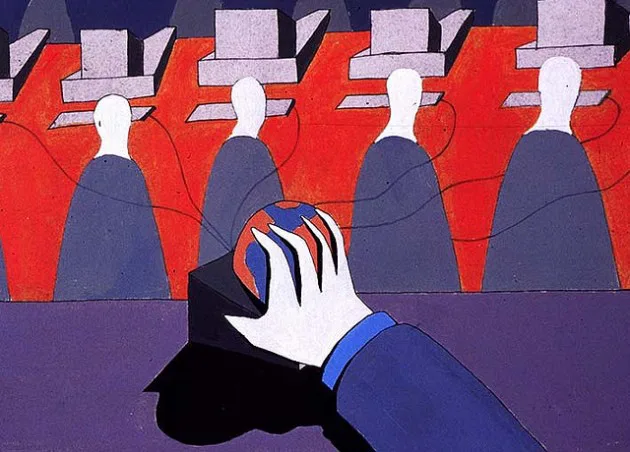
In the battle for control of the Internet, the US holds most of the cards. Now Russia and China are calling for greater individual state power, while others argue the UN is best placed to manage the global network.
In response to growing repression of online dissent, a group of hackers calling themselves Anonymous China have begun a campaign to challenge the authority of the ruling party online in China.
In China, the popularity of DIY hacking is on the rise, with the state now funding new hackerspaces in the hope of encouraging innovation. But can the hacker ethic flourish in a country with a poor record of protecting freedoms?
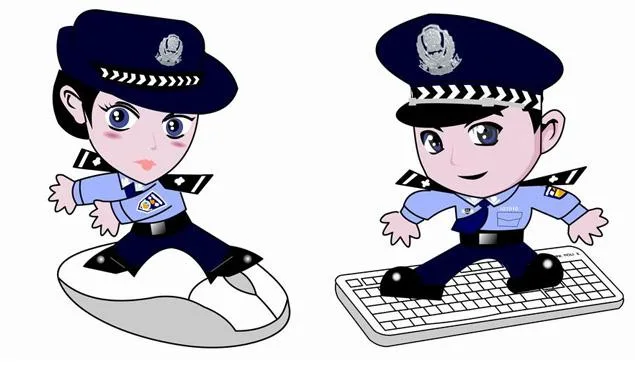
By blacklisting certain topics, pressuring service providers, outlawing anonymity and publicly making an example of users who post “inappropriate” content, the Chinese government effectively censor and regulate the Internet.
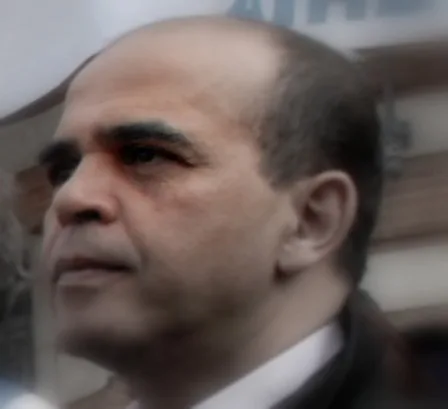
Last week 22 EU member states signed up to the ACTA treaty. The rapporteur of the treaty for the EU Parliament, Kader Arif, immediately resigned, describing the agreement as a “farce”. OWNI spoke to him shortly afterwards.
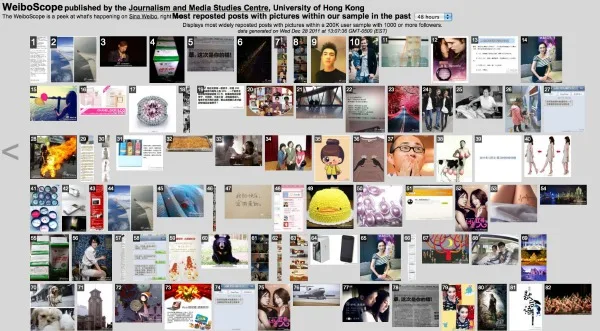
A new online tool offers the non-Chinese speaking world an insight into “the Chinese Twitter” – Sina Weibo. The speed and popularity of the microblogging site makes it difficult for Chinese authorities to censor its 250 million users.
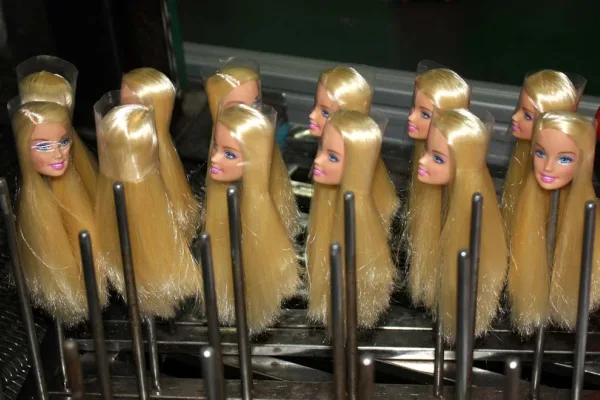
In China, workers in factories producing popular toys this Christmas face long hours for poor pay in dangerous conditions lacking in basic human rights. Two NGO’s have spoken out against companies such as Mattel and Disney.
Our appetite for iPhones is seemingly endless, but Paolo Pedercini experienced the less cuddly side of Apple when he developed a game app that drew attention to the exploitation of labor rights – which the app store promptly banned.
A crisis-stricken Europe is looking towards China’s funds to keep the economy floating. But does China have a vested interest in fostering Europe’s dependency on emerging industries?
China’s official Xinhua News Agency organised a gathering of world media leaders with the aim of discussing a new international media order. Is this the beginning of China’s global cultural hegemony?
In China, WikiLeaks’ unredacted diplomatic cables caused named individuals to be labeled as traitors – even though most of them merely work in government jobs requiring regular contact with the US.
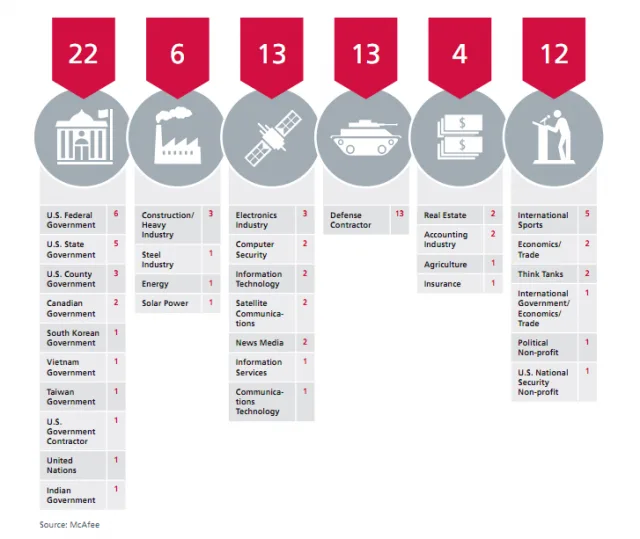
A report released by McAfee claims to have discovered the largest hacking attack to date. The fact that all eyes are looking at China is no coincidence….
Nations have traditionally used people’s names to organize civilization, yet these systems are not homogeneous throughout the world. As the “cyber sovereigns” begin to organize social media, people’s identities are forced to adapt.
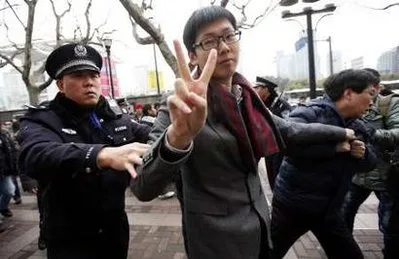
China is notorious for being an oppressive regime – yet activists are going digital and getting smarter in their tactics.
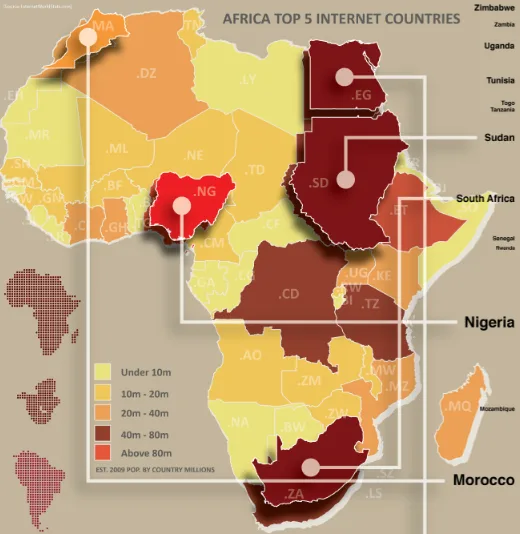
The word “revolutionary”, when used these days regarding Africa, is less likely to be referring to a ‘revolutionary guard’ than an expression of people power, or technological innovation.
There is not a blast from the past quite like exploring two centuries of propaganda: The USSR with its workers, North Korea with its glorified communism, and Uncle Sam’s powerful army.
China is notorious for obstructing the work of foreign correspondents, using methods of intimidation towards journalists and their sources. As reporter Melissa Chan from Al Jazeera summarizes “You develop a level of paranoia sometimes, engrossed in the mission of filming enough footage before getting stopped.”
Government-led spying on Internet users has now become the norm in many countries. The suggestion of state-sponsored computer intrusions or infections, though, still raises more than just an eyebrow and poses real ethical questions
Author Alexis Madrigal examines the history of green technologies in America, illuminating how they have been entangled with our culture, ethics, and government policy.
Why did China tweet a revolution and then have almost no one show up? See what Chinese idealists were posting to Twitter leading up to February 20, the day of the first rallies in what many hoped would become the country’s own “Jasmine revolution”.
Jan Muehlfeit, director of Microsoft France, shares his vision on the future between economic crises and the rise of Asian power.
“Democratic and authoritarian states alike are now seeking “information sovereignity” from American companies, especially those perceived as being in bed with the U.S. government.”
With the rise of nationalistic sentiment in China, a majority of mainland Chinese support the government’s policy in restricting the export of rare earths to Japan and other western countries.
I somehow doubt whether Tal al-Mallohi and her fellow Syrian detainees have watched many Norman Wisdom films. But if they ever do, I reckon they’d get a glimpse of what Syria is trying to suppress.